Encouraging Kindness and Empathy in Early Childhood
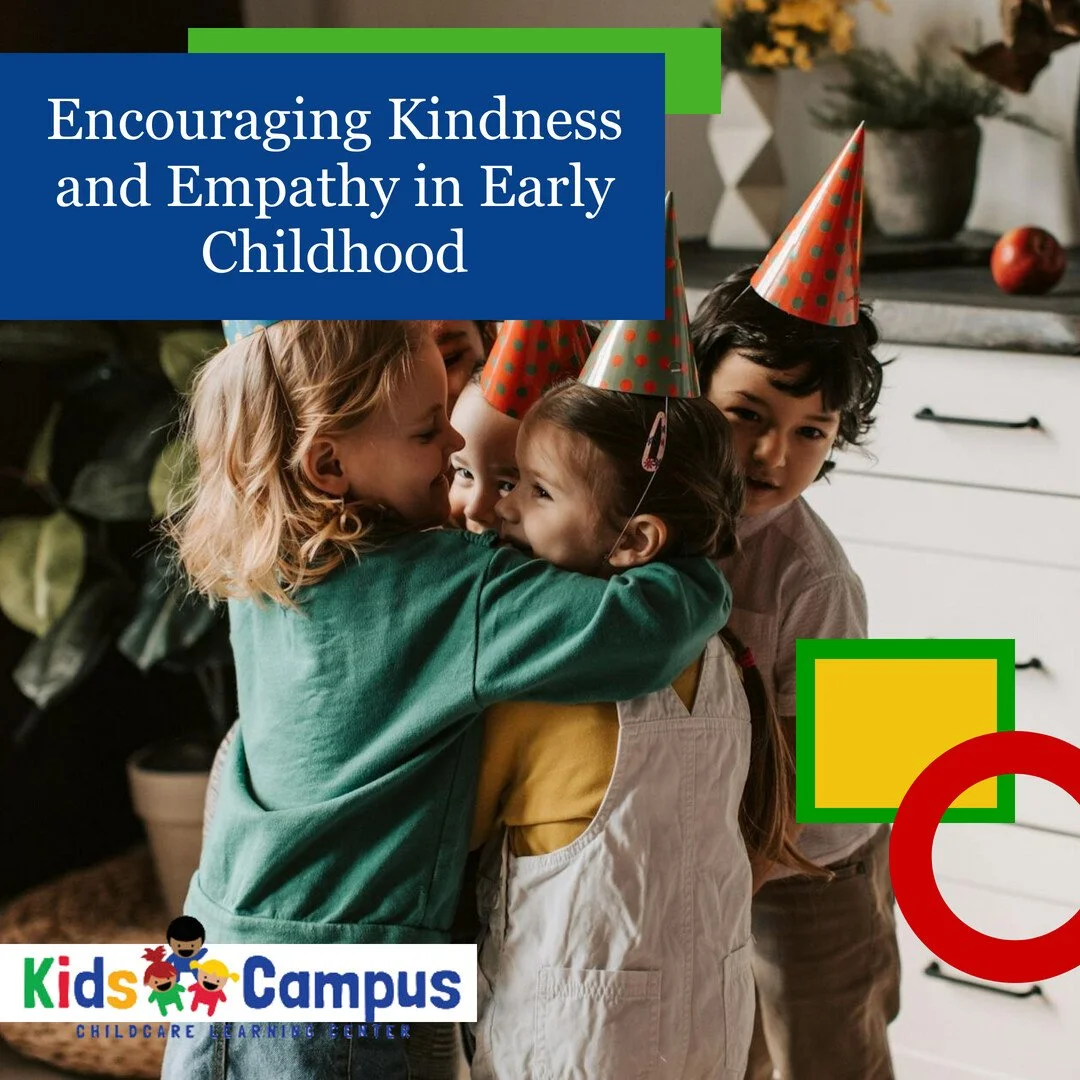
Teaching kindness and empathy at a young age is one of the most important investments parents and educators can make in a child’s development. These foundational social-emotional skills help children understand others’ feelings, build meaningful relationships, and navigate the world with compassion and confidence. Developing empathy in early childhood not only supports emotional intelligence but also contributes to long-term success in school and life.
At Kids Campus, an Early Childhood Learning Center serving families in Lynbrook and Valley Stream, fostering kindness and empathy is an integral part of the curriculum. Through guided play, social interaction, and nurturing support, children learn how to recognize emotions, respond thoughtfully, and care for others.
Why Kindness and Empathy Matter in Early Childhood
Early childhood is a critical period for emotional and social development. During these formative years, children begin to recognize their own feelings and develop an awareness of others’ emotions.
Building empathy in early childhood helps children:
Develop strong communication and relationship skills
Improve conflict resolution abilities
Build self-awareness and emotional regulation
Increase cooperation and teamwork
Foster a sense of inclusion and respect for others
According to the Center on the Developing Child at Harvard University, early experiences shape the brain’s architecture, especially in areas related to emotional development and social behavior.
Additionally, the American Academy of Pediatrics emphasizes that nurturing relationships and responsive caregiving are essential in helping children develop empathy and emotional intelligence.
Understanding Empathy in Early Childhood
Empathy is the ability to understand and share another person’s feelings. In young children, empathy develops gradually and typically begins with:
Emotional recognition (identifying feelings like happy, sad, or frustrated)
Emotional response (reacting to others’ emotions, such as comforting a friend)
Perspective-taking (understanding that others may feel differently)
For toddlers and preschoolers, empathy is often expressed through simple behaviors like offering a toy to a crying friend or giving a hug. These early actions are important indicators that empathy is developing.
At Kids Campus, teachers intentionally support these milestones through structured activities and daily interactions.
Practical Ways to Encourage Kindness and Empathy at Home
Parents play a critical role in reinforcing kindness and empathy outside the classroom. Here are effective, research-backed strategies to support your child’s emotional growth.
Model Kind and Empathetic Behavior
Children learn by observing adults. When parents demonstrate kindness, patience, and understanding, children are more likely to mirror those behaviors.
Simple ways to model empathy include:
Speaking respectfully to others
Showing compassion in everyday situations
Acknowledging others’ feelings out loud
For example, saying “That person looks upset—maybe we can help” teaches children to notice and respond to emotions.
Talk About Feelings Regularly
Helping children label emotions is a key step in developing empathy. Encourage conversations about feelings during daily activities.
You can ask questions like:
“How do you think they felt?”
“What would make them feel better?”
“How would you feel in that situation?”
These discussions strengthen emotional awareness and perspective-taking.
Read Books That Highlight Emotions
Reading stories that explore feelings and relationships is a powerful tool for teaching empathy. Books allow children to see situations from different perspectives and understand emotional responses.
The Reading Rockets recommends using story time to discuss characters’ emotions and motivations.
While reading, pause to ask:
“Why is the character feeling this way?”
“What could they do to help their friend?”
This transforms reading into an interactive emotional learning experience.
Encourage Sharing and Cooperation
Opportunities to share and work together help children practice kindness in real-life situations. Group play, whether at home or in a classroom setting, teaches children how to take turns, compromise, and consider others’ needs.
At Kids Campus, children participate in collaborative activities that naturally promote teamwork and empathy.
Praise Kind Behavior
Positive reinforcement encourages children to repeat empathetic actions. When you notice your child being kind, acknowledge it specifically.
For example:
“That was very kind of you to share your toy.”
“You helped your friend feel better—that was thoughtful.”
This helps children understand the value of their actions and builds intrinsic motivation.
Teach Problem-Solving Skills
Conflicts are a natural part of childhood, and they present valuable opportunities to teach empathy. Instead of solving problems for children, guide them through the process.
Encourage them to:
Listen to the other person’s perspective
Express their own feelings calmly
Work together to find a solution
This builds both emotional intelligence and interpersonal skills.
How Kids Campus Supports Kindness and Empathy
At Kids Campus, kindness and empathy are integrated into daily routines and learning experiences. Educators focus on creating a nurturing environment where children feel safe expressing themselves and learning about others.
Programs emphasize:
Social-emotional learning through guided play
Group activities that encourage cooperation
Teacher-led discussions about feelings
Conflict resolution strategies
Positive reinforcement of kind behavior
By combining structured learning with real-world practice, children develop empathy in a way that feels natural and meaningful.
Long-Term Benefits of Teaching Empathy Early
Fostering empathy in early childhood has lasting benefits that extend well beyond the preschool years. Children who develop strong empathy skills are more likely to:
Build healthy relationships
Communicate effectively
Handle conflict constructively
Demonstrate leadership and teamwork
Show compassion in diverse environments
In today’s increasingly connected world, these qualities are more important than ever.
Final Thoughts
Encouraging kindness and empathy in young children lays the groundwork for emotional intelligence, strong relationships, and lifelong success. Through simple daily interactions—modeling behavior, discussing emotions, reading together, and encouraging cooperation—parents can help children develop these essential skills.
At Kids Campus, educators partner with families to nurture the whole child, ensuring that emotional development is just as important as academic growth. By fostering empathy early, we empower children to become caring, confident individuals who positively impact the world around them.