Early Literacy: Fun Ways to Encourage a Love of Reading in Young Children
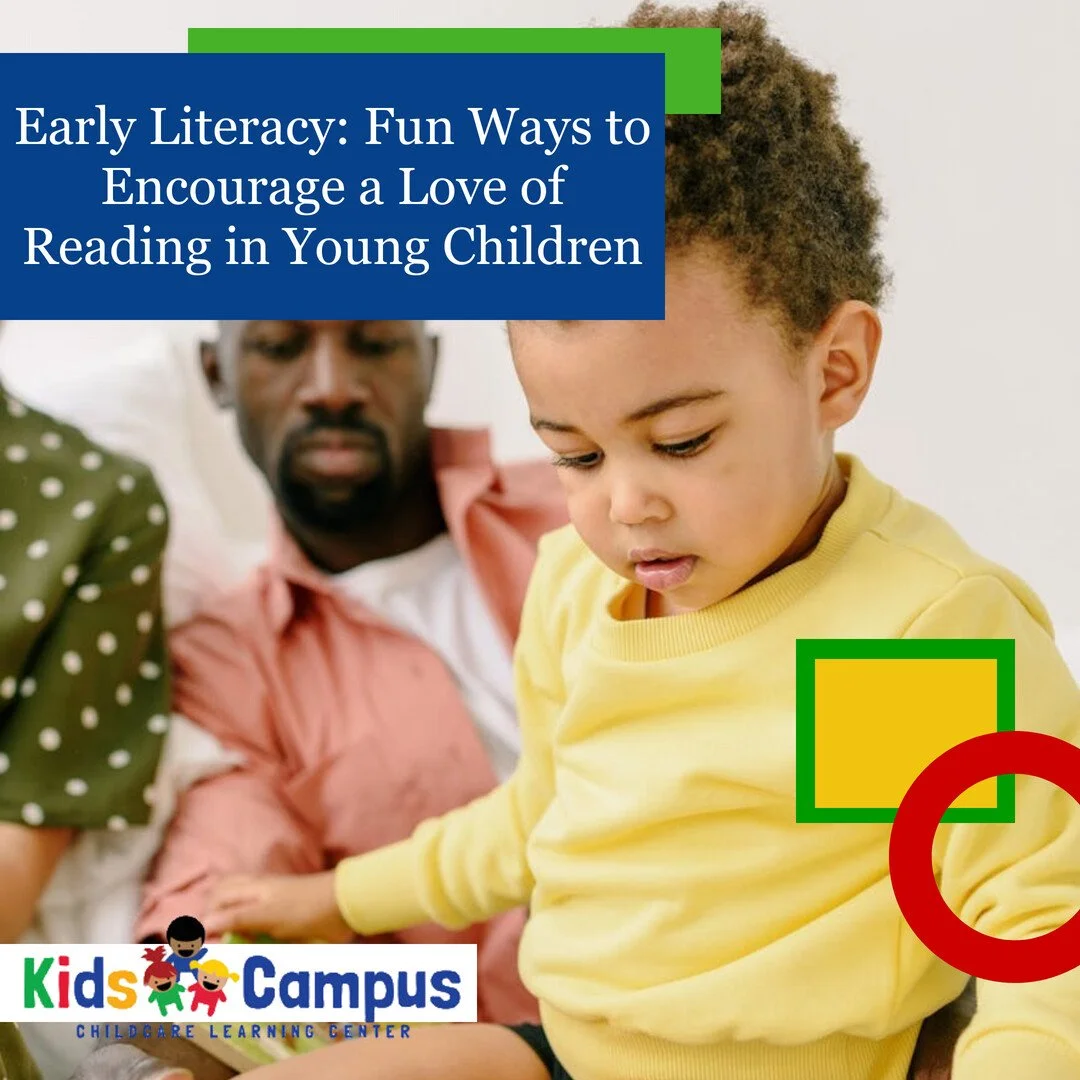
Developing strong reading habits begins long before a child enters elementary school. Early literacy—the skills children build before they learn to read and write—plays a critical role in language development, school readiness, and long-term academic success. When children are exposed to books, storytelling, and language-rich environments during early childhood, they develop the curiosity and confidence needed to become lifelong readers.
At Kids Campus, an Early Childhood Learning Center serving families in Lynbrook and Valley Stream, educators emphasize early literacy through engaging activities that make reading exciting and accessible for young learners.
In this article, we’ll explore why early literacy matters and share practical, fun ways parents and caregivers can encourage a love of reading at home.
Why Early Literacy Is Important
Early literacy skills form the foundation for future reading and writing abilities. These skills include recognizing sounds, understanding that print carries meaning, building vocabulary, and developing listening comprehension.
Research shows that children exposed to books and language early in life tend to develop stronger communication and cognitive skills. According to the American Academy of Pediatrics, reading aloud with young children supports brain development, strengthens the parent-child bond, and helps build early language skills. You can learn more through their guidance on early reading at https://www.healthychildren.org.
Additionally, the National Institute for Literacy highlights that early literacy activities help children build vocabulary, understand storytelling structures, and improve listening skills—all of which support later academic success.
Signs Your Child Is Developing Early Literacy Skills
Parents often wonder whether their child is developing reading readiness skills at the expected pace. While every child develops differently, some common early literacy indicators include:
Showing interest in books or pictures
Pretending to read or turning pages while storytelling
Recognizing familiar words or letters
Asking questions about stories
Enjoying rhymes and songs
Identifying sounds in words
Educators at Kids Campus incorporate these skills into their curriculum through storytelling, phonics activities, and interactive classroom discussions.
Fun Ways to Encourage Early Literacy at Home
Building early literacy skills doesn’t require complicated lessons. The most effective strategies involve play, conversation, and daily routines that introduce language naturally.
Read Together Every Day
One of the simplest and most powerful ways to support early literacy is to read with your child daily. Even just 10–15 minutes of shared reading helps build vocabulary and comprehension.
Try these tips while reading:
Use expressive voices for characters
Pause to ask questions about the story
Let your child turn pages or point to pictures
Re-read favorite books to reinforce familiarity
Repetition may seem boring to adults, but young children learn through repeated exposure.
Tell Stories Without Books
Storytelling encourages imagination while strengthening narrative skills. You can tell stories during car rides, before bedtime, or while playing.
Invite your child to participate by asking questions like:
“What do you think will happen next?”
“What should our character do?”
This interactive storytelling approach helps children understand how stories are structured.
Use Songs, Rhymes, and Word Games
Songs and rhymes play a major role in early literacy because they help children recognize sounds and language patterns. Classic nursery rhymes and rhythm-based songs improve phonological awareness—the ability to hear and manipulate sounds in words.
The Reading Rockets recommends rhyming games as one of the best ways to introduce early reading skills.
Simple activities include:
Singing alphabet songs
Playing rhyming games
Clapping syllables in words
These playful activities help children understand how language works.
Create a Reading-Friendly Environment
Children are more likely to develop a love of reading when books are easily accessible. Consider creating a small reading space in your home with:
Age-appropriate books
Comfortable seating
Good lighting
Rotating book selections to maintain interest
When books are part of everyday life, children begin to associate reading with comfort and enjoyment.
Let Children See You Read
Children learn by observing the adults around them. When they see parents reading books, magazines, or even recipes, they understand that reading is a valuable and enjoyable activity.
Talk about what you’re reading and share interesting parts with your child to reinforce curiosity.
Encourage Drawing and Writing
Early literacy also includes writing skills. Provide crayons, markers, and paper so children can experiment with drawing and “writing.”
These activities strengthen fine motor skills and help children understand that marks on paper represent meaning—an important step toward learning to write.
Early Literacy at Kids Campus
At Kids Campus, early literacy is woven into everyday learning experiences. Teachers create engaging environments that encourage language development through:
Storytime and shared reading
Letter and sound recognition activities
Songs, rhymes, and music-based learning
Interactive storytelling
Creative play that encourages communication
This play-based approach allows children to build confidence with language while having fun.
Long-Term Benefits of Early Literacy
Developing strong early literacy skills provides children with lasting advantages, including:
Improved vocabulary and communication skills
Better reading comprehension in later grades
Stronger academic performance
Increased confidence in school settings
A lifelong appreciation for reading and learning
When children develop positive experiences with books early in life, they are far more likely to continue reading as they grow.
Final Thoughts
Encouraging early literacy is one of the most meaningful investments parents can make in their child’s future. Through simple daily habits like reading together, singing songs, telling stories, and creating a language-rich environment, families can nurture curiosity and foster a lifelong love of books.
At Kids Campus, educators partner with families to support every child’s development through engaging early learning experiences. By combining supportive home environments with quality early education, children gain the tools they need to become confident readers and enthusiastic learners.