Encouraging Physical Activity in Young Children: Fun Ways to Keep Them Active
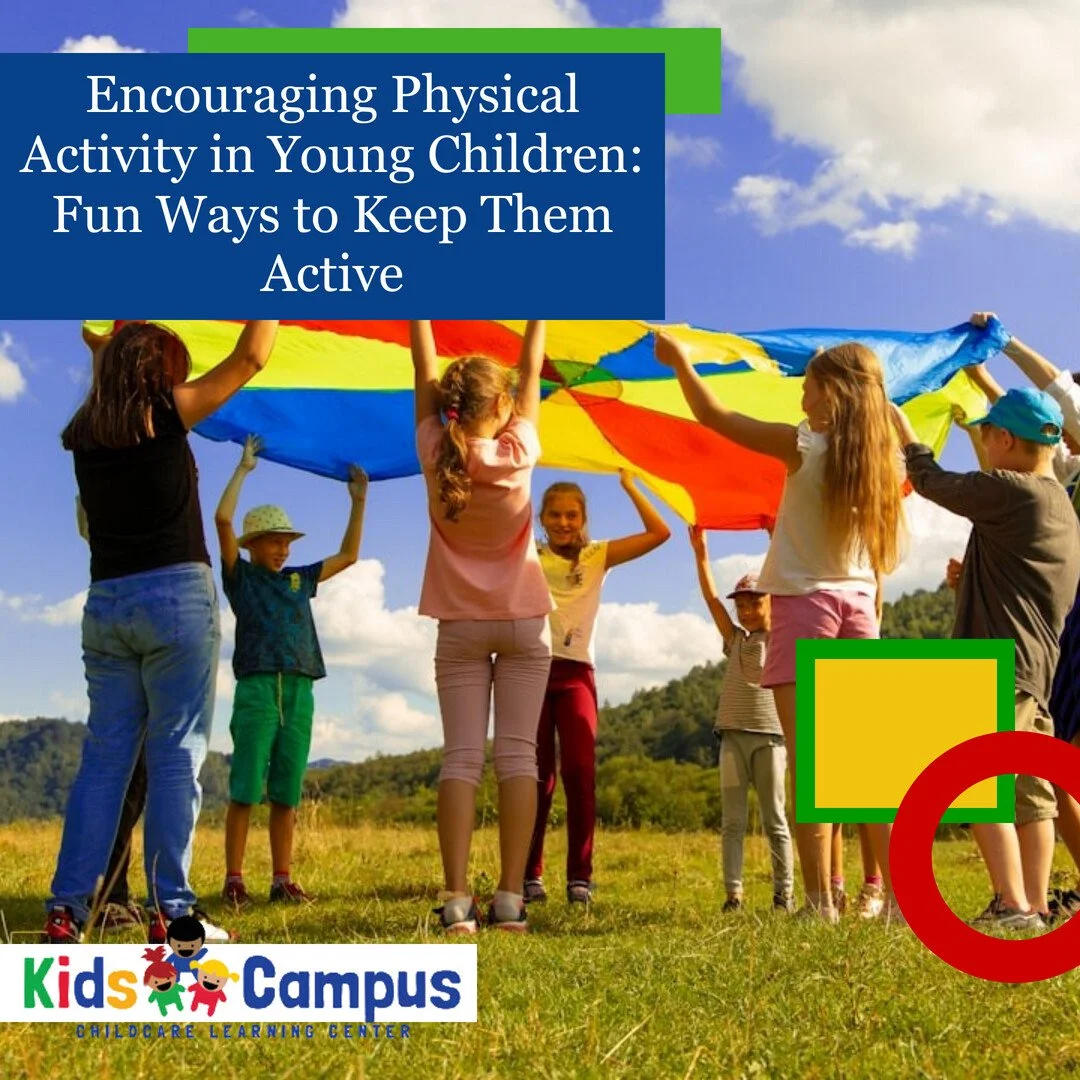
Supporting physical activity in young children is essential for their overall health, cognitive development, and emotional well-being. Today’s children spend more time indoors and in front of screens than ever before, which makes intentional movement a critical part of early childhood education and home routines. At Kids Campus, with locations in both Lynbrook and Valley Stream, movement-based learning is built into the curriculum to help children grow strong, confident, and ready for school success.
In this guide, we explore why physical activity matters, how to recognize when a child needs more movement, and practical ways families can keep kids active every day.
Why Physical Activity Matters in Early Childhood
Young children rely on movement to build the foundational skills they will use for the rest of their lives. Physical activity supports:
Gross and fine motor development Activities like running, climbing, and balancing help children strengthen muscles and develop coordination.
Cognitive growth Research shows that movement stimulates brain development, improving attention, memory, and problem-solving abilities.
Emotional regulation Children often use physical play to express energy, relieve stress, and cope with emotions.
Social skills Group activities encourage teamwork, communication, and conflict resolution.
Signs Your Child May Need More Physical Activity
Even with the best intentions, busy routines and screen time can limit opportunities for movement. Parents should watch for signs that a child may benefit from increased physical activity:
Restlessness or difficulty sitting still Children may fidget or seem overly energetic when their bodies need more active play.
Trouble sleeping Insufficient movement during the day can lead to sleep challenges at night.
Low endurance or quick fatigue Children who tire rapidly during normal play might need more regular activity to build stamina.
Behavioral frustration Active play often serves as an emotional release. Without it, children may become irritable or easily overwhelmed.
Lack of coordination If a child avoids running, climbing, hopping, or throwing activities, they may need more exposure to gross motor opportunities.
Kids Campus teachers are trained to observe developmental cues and integrate movement into daily routines. Parents can read more about their early learning programs to see how active play is woven into structured and unstructured activities.
Fun, Engaging Ways to Encourage Physical Activity in Young Children
Keeping kids active doesn’t require expensive equipment or complicated routines. What children need most is variety, repetition, and opportunities to explore.
1. Outdoor Play Adventures
Simple outdoor experiences—running on the playground, nature walks, or playing tag—are highly effective. Outdoor sensory experiences also enhance cognitive development.
Kids Campus offers safe outdoor play spaces at both locations, giving children daily opportunities to explore and move freely.
2. Music and Movement Games
Dancing, freeze-dance competitions, and action songs (“Head, Shoulders, Knees, and Toes”) support rhythm, coordination, and memory. Young children especially benefit from predictable movement patterns, making this option ideal for home and school.
3. Obstacle Courses
Create an indoor or outdoor obstacle course using everyday household objects. Children can crawl under chairs, jump over cushions, or weave through cones. This helps build agility and problem-solving at the same time.
4. Active Learning Activities
Incorporating movement into learning—like hopping while counting or forming letters with body shapes—supports retention and keeps children engaged. This approach mirrors the active, play-based learning philosophy used throughout Kids Campus classrooms.
5. Structured Sports and Games
Simple sports activities like kicking a ball, tossing beanbags, or balancing on a line help children improve coordination. For more formal guidance, parents may find the American Academy of Pediatrics’ recommendations on sports for young children.
6. Family Movement Time
When families model active behavior, children are far more likely to embrace it. Evening walks, weekend bike rides, or family dance parties are simple ways to stay active together.
7. Limit Screen Time
While technology has its benefits, excessive screen time often replaces active play. Creating structured limits ensures children have more physical — not passive — experiences throughout their day.
Physical Activity at Kids Campus
At Kids Campus, physical activity isn’t an afterthought—it’s intentionally embedded into the daily schedule. Children participate in:
Morning movement routines to warm up their bodies and minds
Outdoor free play in well-designed spaces
Indoor gross motor experiences, especially during inclement weather
Music, dance, and circle-time activities that promote motor development
Hands-on learning centers that encourage active exploration
Creating Healthy Habits Early Makes a Lifelong Impact
Building strong habits around physical activity in young children provides benefits that extend far beyond early childhood. Active kids often grow into active adults, carrying forward the skills, confidence, and behaviors learned in their formative years.
With caring educators, movement-based learning environments, and a commitment to whole-child development, Kids Campus supports families in establishing these healthy foundations. Whether at home or in school, every opportunity for movement helps children grow, learn, and thrive.