Recognizing Signs of Childhood Anxiety: How to Support Your Child’s Emotional Health
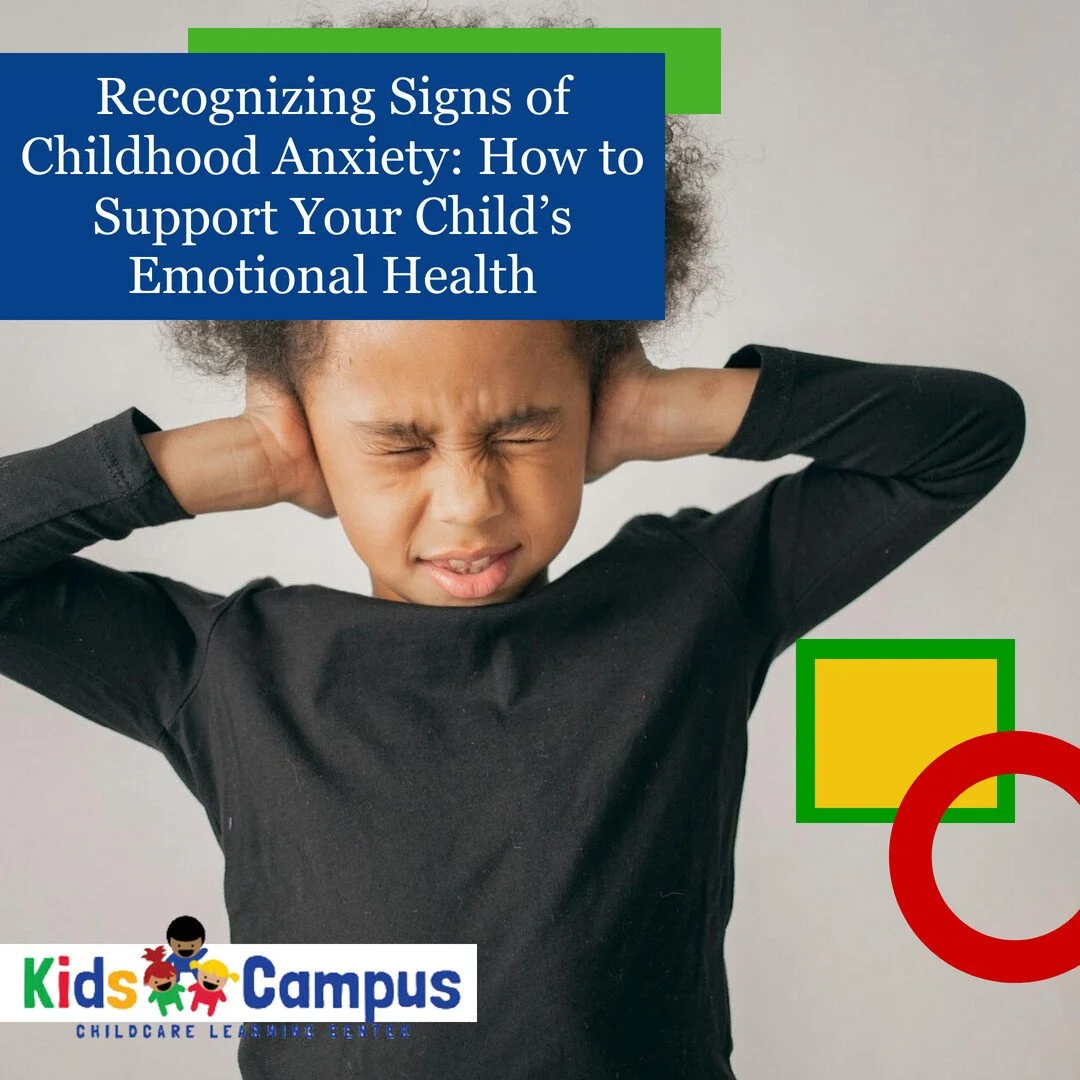
Anxiety is one of the most common mental health concerns among children, but it often goes unnoticed because the symptoms can look very different from anxiety in adults. As a parent or caregiver, understanding the signs of childhood anxiety is essential for supporting your child’s emotional well-being—especially during the early childhood years when social, cognitive, and emotional development is rapidly unfolding.
At Kids Campus, an Early Childhood Learning Center serving families in Lynbrook and Valley Stream, NY, educators work closely with parents to promote healthy emotional development, helping children feel safe, understood, and supported during these formative years.
Why It’s Important to Recognize Anxiety Early
Anxiety is a normal emotion—but when worries, fears, or stress begin interfering with a child’s daily activities, routines, or learning, it may be a sign that they need additional support. Early detection is vital because young children often lack the language skills to express their feelings clearly. Instead, they communicate through behavior.
According to the Centers for Disease Control and Prevention (CDC), early identification and support can improve long-term emotional health, academic performance, and social confidence.
Understanding the signs of childhood anxiety empowers families to intervene early and provide the tools children need to cope effectively.
Common Signs of Childhood Anxiety in Toddlers and Preschoolers
Anxiety in young children may appear differently depending on personality, environment, and developmental stage. Below are some of the most common symptoms to look for.
1. Physical Complaints
Young children often express emotional distress through their bodies. You may notice:
Frequent stomachaches
Headaches
Muscle tension
Changes in appetite
Trouble sleeping
Because children can’t always articulate feelings like fear or worry, these somatic symptoms may be among the first indicators of anxiety.
2. Excessive Clinginess or Separation Issues
It’s normal for toddlers to go through phases of separation anxiety. However, if your child becomes extremely distressed during drop-off, refuses to leave your side, or shows heightened fear when saying goodbye, this may be a sign of ongoing anxiety.
Early learning environments like Kids Campus help ease these transitions with comforting routines, predictable schedules, and supportive teachers who prioritize emotional security.
3. Avoidance Behaviors
Children dealing with anxiety may avoid situations that make them uncomfortable. This might include:
Avoiding social interactions
Refusing to participate in classroom activities
Withdrawing during playtime
Showing extreme fear of new experiences
Avoidance is a child’s attempt to protect themselves from perceived threats—even when those threats aren’t real.
4. Difficulty Regulating Emotions
Emotional dysregulation can be another sign of childhood anxiety. You may notice:
Frequent meltdowns
Irritability
Extreme responses to small frustrations
Trouble calming down once upset
These behaviors signal that your child may be overwhelmed internally, even if the trigger seems minor.
5. Perfectionism or Fear of Making Mistakes
Some anxious children become overly concerned with doing things “the right way.” This can include:
Repeating tasks until they feel perfect
Fear of trying new activities
Anxiety about schoolwork, art projects, or games
These patterns often appear during preschool years as children begin participating in group activities and structured learning tasks.
6. Repetitive Questions or Reassurance Seeking
Children experiencing anxiety often need constant reassurance, asking questions like:
“Are you sure you’ll pick me up?”
“What if something bad happens?”
“Do you still love me?”
Their repeated questions signal deeper worries beneath the surface.
What Causes Anxiety in Young Children?
There is no single cause, but several factors may contribute:
Genetics: Anxiety can run in families.
Environment: Major transitions, family stress, or overstimulation can elevate anxiety.
Temperament: Children who are naturally cautious or sensitive may struggle more with fear and uncertainty.
Developmental changes: Growing independence and new responsibilities can feel overwhelming.
Understanding what might be contributing to your child’s anxiety can help families provide targeted support.
How Parents Can Support a Child Showing Signs of Anxiety
Once parents identify the signs of childhood anxiety, the next step is offering healthy, compassionate support. Here are evidence-based approaches that can help:
1. Establish Predictable Routines
Consistency helps children feel safe and reduces uncertainty. Morning, bedtime, and daily routines help create emotional stability.
2. Validate Feelings
Avoid dismissing fears, even if they seem unrealistic. Instead:
Acknowledge their feelings (“I can see you are worried.”)
Offer comfort (“I’m here with you.”)
Provide simple explanations
Validation reassures children that their emotions are real and manageable.
3. Practice Calm Breathing and Mindfulness
Teaching children simple breathing exercises can help regulate their bodies and emotions.
For age-appropriate strategies, explore resources from HealthyChildren.org (American Academy of Pediatrics).
4. Encourage Gradual Exposure
Help your child face fears slowly and gently. Celebrate small steps rather than pushing too quickly.
5. Maintain Open Communication With Teachers
A strong home-school partnership helps children thrive. Teachers at Kids Campus are trained to identify emotional cues and support children through structured routines, social play, and gentle reassurance.
When parents and educators work together, children feel more secure across environments.
6. Seek Professional Help When Needed
If anxiety significantly disrupts daily life, consider consulting a pediatrician or child therapist. Early support can prevent long-term challenges.
How Kids Campus Supports Emotional Development
Kids Campus integrates social-emotional learning into every classroom. Through play-based activities, nurturing teacher interactions, and structured routines, children learn key skills such as:
Emotional regulation
Confidence and independence
Healthy communication
Social skills
Problem-solving
These skills help strengthen children’s resilience and overall emotional health—making Kids Campus a valuable partner in identifying and supporting the signs of childhood anxiety.
Final Thoughts
Identifying the signs of childhood anxiety early allows parents and caregivers to provide the understanding and support children need to thrive emotionally and academically. Whether your child is just beginning their preschool journey or adjusting to new routines, your patience, encouragement, and awareness make all the difference.
By partnering with caring educators at Kids Campus, families can ensure children receive consistent emotional support both at home and in the classroom—laying the foundation for healthy development, confidence, and lifelong resilience.