How to Create a Consistent Routine for Your Toddler or Preschooler
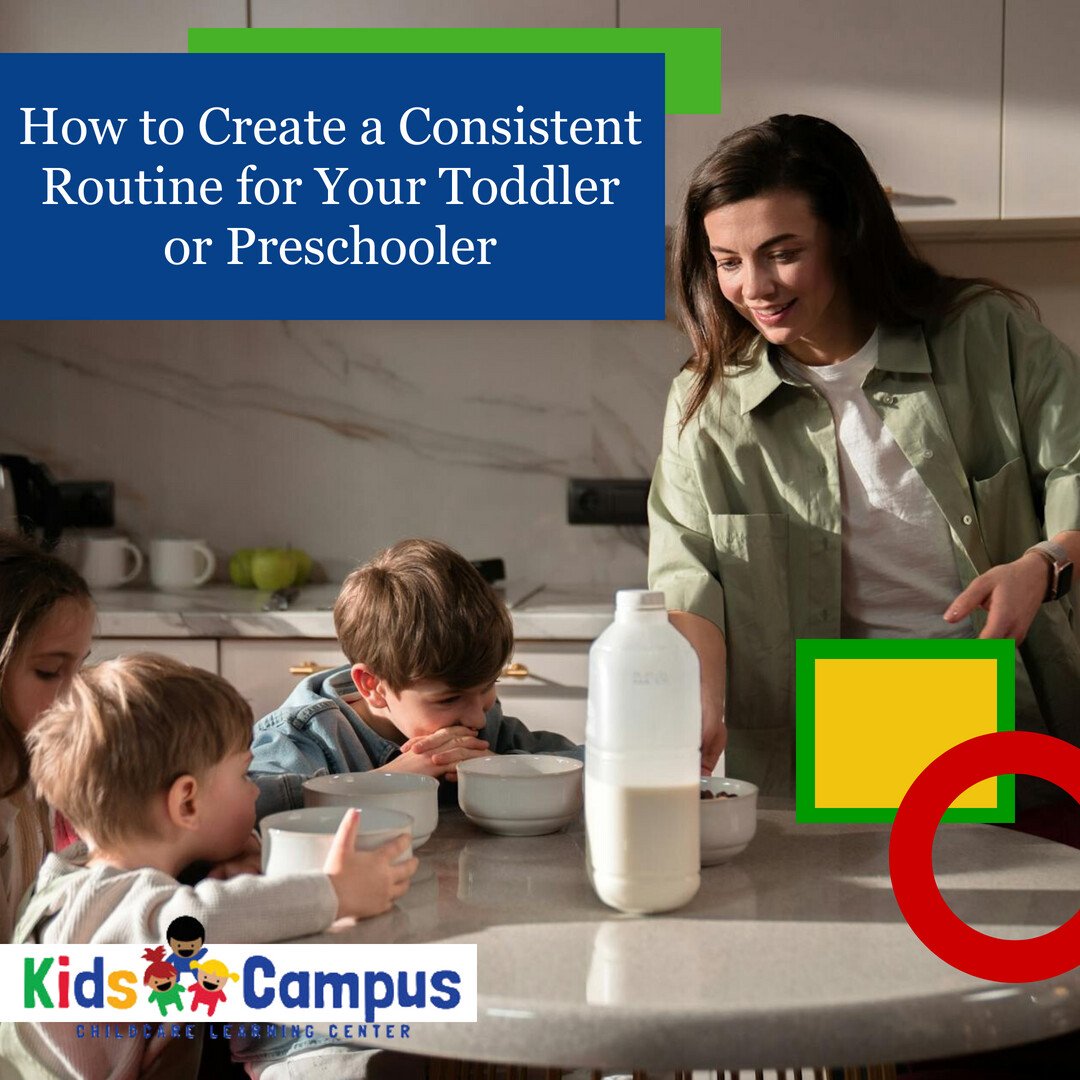
Creating structure during the early childhood years plays a critical role in helping young learners feel secure, confident, and ready to explore the world around them. If you’ve been searching for guidance on How to Create a Consistent Routine for your toddler or preschooler, you’re already taking a positive step toward supporting healthy development. Young children thrive on predictability, and when they know what to expect, they’re more likely to cooperate, regulate emotions, and engage meaningfully in daily activities.
For families enrolled at early learning centers such as Kids Campus, which provides nurturing, play-based education in both Lynbrook, NY and Valley Stream, NY, a steady routine at home helps reinforce what children experience during the school day. Below, we break down why routines matter and how to create one that works for your family.
Why Consistency Matters in Early Childhood
During the toddler and preschool years, children are rapidly developing cognitive, emotional, and social skills. A predictable daily flow gives them the structure they need to process new experiences and build confidence.
1. Routines Build Emotional Security
Children feel safer when they know what will happen next. Consistency helps reduce stress and allows them to approach transitions—such as getting dressed, leaving the house, or bedtime—with fewer meltdowns.
2. Routines Support Cognitive Development
Predictable patterns create opportunities for children to practice memory, sequencing, decision-making, and independence. Research from the CDC underscores the importance of stable daily habits in fostering strong developmental outcomes.
3. Routines Strengthen Family Bonds
By creating shared expectations and reducing chaos, routines allow families to spend more meaningful time connecting, talking, and enjoying activities together.
How to Create a Consistent Routine That Works for Your Family
The keyword phrase How to Create a Consistent Routine goes beyond simply following a schedule. It requires thoughtful planning, age-appropriate expectations, and consistent reinforcement. Here’s how to structure your child’s day for success.
1. Start With a Predictable Morning
Mornings set the tone for the entire day. Begin with a sequence that remains the same, even on weekends:
Wake up at the same time each day
Use the bathroom or change diapers
Eat a healthy breakfast
Get dressed
Brush teeth and prepare for school
Visual schedules work extremely well for toddlers and preschoolers. Whether you create your own or use printable icons, the visual cues help children anticipate steps without power struggles.
2. Incorporate Routines Around Mealtime and Snacks
Young children feel most regulated when their nutritional and energy needs are met consistently. Establish set times for meals and snacks to help prevent hunger-related mood swings.
When children know that meals are predictable, they tend to develop healthier eating habits—something educators at Kids Campus reinforce through structured daily snack and lunch routines in the classroom.
3. Create Rhythms Around Play and Learning
Routine shouldn’t feel rigid or dull. Instead, use rhythm-based predictability:
Free play
Outdoor time
Learning activities
Storytime
Quiet rest period
Children enrolled in early learning programs, like those offered at Kids Campus, follow a thoughtfully planned daily schedule full of hands-on activities, social interaction, and structured learning. Establishing similar rhythms at home helps your child feel aligned with what they experience during their school day.
4. Use Transitional Cues
Toddlers and preschoolers commonly struggle with transitions. Effective cues prepare them for what’s coming next:
Timers
Countdown reminders (“Five more minutes of play…”)
Short songs (clean-up songs work great)
Visual cards (showing the next activity)
These simple signals reduce anxiety and help children gradually shift to new tasks.
5. Establish a Predictable Bedtime Routine
Quality sleep is foundational to healthy development. A structured bedtime routine helps regulate your child’s nervous system and promotes better behavior during the day.
An effective routine might include:
Bath time
Pajamas
Brushing teeth
Reading books
Quiet cuddle time
Lights out at the same time each night
According to the American Academy of Pediatrics, consistent bedtime routines are linked to improved emotional regulation, literacy skills, and overall development.
Tips for Staying Consistent
Creating structure is one thing—maintaining it is another. Here are practical ways to remain consistent:
1. Be Realistic About What Your Child Can Handle
Avoid perfection. Children’s energy and moods fluctuate. Build flexibility into your schedule by using ranges rather than rigid timestamps.
2. Model the Behaviors You Expect
Children follow your lead. When you demonstrate consistency—like tidying up or sticking to bedtime—they internalize those habits.
3. Adjust the Routine as Your Child Grows
Routines should evolve with your child’s developmental stage. Reassess every few months and adjust as needed.
4. Reinforce Routines With Positive Language
Acknowledging your child’s effort (“I love how you got ready so quickly!”) boosts motivation and cooperation.
How Kids Campus Reinforces Healthy Routines
At Kids Campus in Lynbrook and Valley Stream, teachers incorporate developmentally appropriate schedules that mirror what children need at home: structured transitions, balanced play and learning, and nurturing rituals that promote emotional security.
Families benefit when home routines align with the classroom environment.
Final Thoughts
Learning How to Create a Consistent Routine for your toddler or preschooler is one of the most impactful steps you can take to support emotional stability, academic readiness, and overall well-being. With structure, predictability, and gentle reinforcement, your child will gain confidence as they navigate each part of their day.
By pairing your home routines with the nurturing and educational environment at Kids Campus, you’re helping build a strong foundation that supports learning for years to come.