Understanding Your Child's Nutritional Needs During Early Childhood
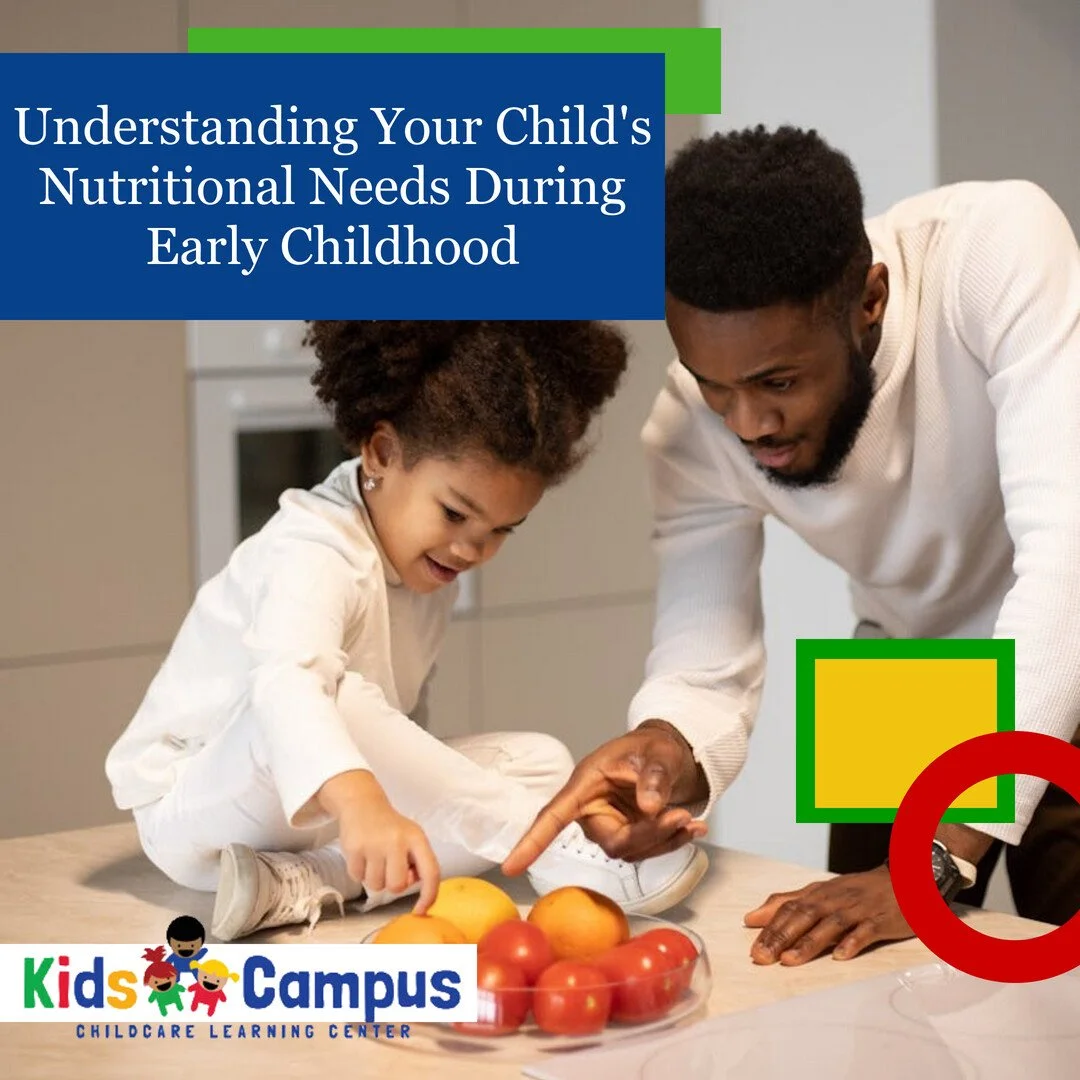
Early childhood is a period of rapid growth, brain development, and learning. During these formative years, proper nutrition plays a critical role in supporting physical health, cognitive development, and emotional well-being. Understanding your child’s nutritional needs during early childhood empowers parents and caregivers to make informed decisions that help children thrive both at home and in educational settings.
At Kids Campus, an Early Childhood Learning Center serving families in Lynbrook and Valley Stream, NY, nutrition is recognized as a foundational element of healthy development and school readiness.
Why Nutrition Matters in Early Childhood
From birth through age five, children experience significant growth spurts and neurological development. During this time, the body and brain require a steady supply of essential nutrients to function optimally.
According to the Centers for Disease Control and Prevention (CDC), healthy eating habits established in early childhood support growth, improve learning outcomes, and reduce the risk of chronic health issues later in life.
Meeting a child’s nutritional needs during early childhood supports:
Brain development and memory
Strong bones and muscles
Immune system health
Energy and focus for learning
Emotional regulation and behavior
Key Nutrients Children Need in Early Childhood
Understanding the building blocks of good nutrition helps parents create balanced meals and snacks.
1. Protein for Growth and Repair
Protein supports muscle development, tissue repair, and immune function. Good sources include:
Lean meats and poultry
Eggs
Beans and lentils
Yogurt and cheese
Nut butters (when age-appropriate and allergy-safe)
2. Healthy Fats for Brain Development
Healthy fats are essential for brain growth and cognitive development. Children benefit from:
Avocados
Olive oil
Fatty fish like salmon
Full-fat dairy (for toddlers, unless otherwise advised by a pediatrician)
3. Carbohydrates for Energy
Carbohydrates provide the energy young children need for play, learning, and physical activity. Focus on whole-grain options such as:
Whole-grain bread and pasta
Brown rice
Oatmeal
Fruits and vegetables
4. Vitamins and Minerals
Micronutrients play a vital role in early childhood development:
Calcium and Vitamin D for bone health
Iron for cognitive development and oxygen transport
Vitamin A for vision and immune support
Vitamin C for healing and immunity
The American Academy of Pediatrics provides evidence-based guidance on children’s nutritional needs by age.
Common Nutritional Challenges in Early Childhood
Many parents face challenges when it comes to feeding young children. Understanding these issues can help families navigate them more effectively.
Picky Eating
It’s common for children to go through phases of picky eating. Introducing a variety of foods repeatedly—without pressure—helps children become more comfortable with new flavors and textures over time.
Irregular Appetites
Young children’s appetites may fluctuate daily. Offering consistent meal and snack times helps regulate hunger cues and supports healthy eating patterns.
Excess Sugar and Processed Foods
Highly processed foods can displace nutrient-dense options. Limiting sugary snacks and beverages helps maintain energy levels and supports long-term health.
Nutrition and Learning in Early Childhood Education
Nutrition and learning are closely connected. Children who receive balanced meals are better equipped to focus, participate, and regulate their emotions throughout the day.
At Kids Campus, educators understand that meeting children’s nutritional needs supports their ability to engage in classroom activities, social interactions, and play-based learning. The center’s holistic approach to development emphasizes wellness alongside academic readiness.
How Parents Can Support Healthy Nutrition at Home
Parents play a vital role in meeting their child’s nutritional needs during early childhood. Here are practical strategies families can implement:
1. Create Balanced Meals
Aim to include protein, whole grains, fruits, vegetables, and healthy fats at each meal. Visual portion guides can help simplify planning.
2. Establish Consistent Routines
Regular meal and snack times help children understand hunger and fullness cues, reducing grazing and overeating.
3. Model Healthy Eating Habits
Children learn by example. When parents eat balanced meals and try new foods, children are more likely to follow suit.
4. Involve Children in Food Preparation
Age-appropriate involvement—such as washing produce or choosing fruits—builds interest and encourages positive food relationships.
5. Communicate With Your Child’s School
Sharing dietary needs, allergies, and preferences ensures consistency between home and school environments.
The Role of Early Learning Centers in Nutrition Awareness
Quality early childhood education programs reinforce healthy habits by supporting families and creating environments that promote wellness.
At Kids Campus, nutrition awareness aligns with the center’s mission to support children socially, emotionally, and physically.
Long-Term Benefits of Meeting Nutritional Needs Early
Children who receive proper nutrition during early childhood are more likely to:
Develop strong cognitive and learning skills
Maintain healthy growth patterns
Build positive relationships with food
Demonstrate better focus and behavior in school
Carry healthy habits into adolescence and adulthood
Meeting a child’s nutritional needs during early childhood lays the groundwork for lifelong health and academic success.
Conclusion
Understanding your child’s nutritional needs during early childhood is essential for supporting growth, learning, and overall well-being. By prioritizing balanced nutrition at home and partnering with trusted early learning centers like Kids Campus, families can give children the tools they need to succeed.
Kids Campus proudly supports families in Lynbrook and Valley Stream by fostering healthy habits alongside high-quality early childhood education. Parents seeking a nurturing environment that values whole-child development are encouraged to explore what Kids Campus has to offer.