Supporting Independent Play: Why It’s Important for Cognitive Growth
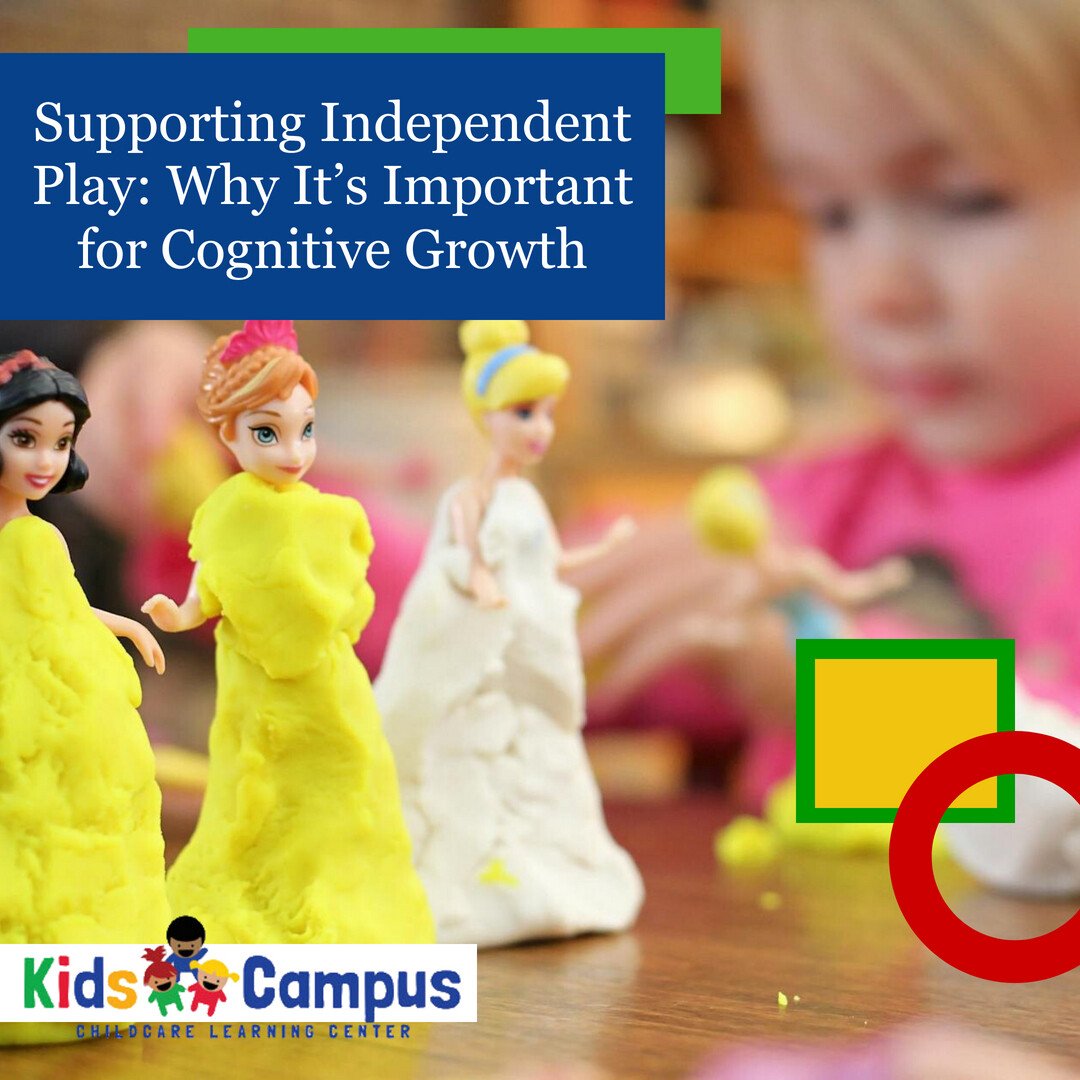
In early childhood, play is more than just a fun way to pass time—it's a powerful tool for learning. As children explore, imagine, problem-solve, and make sense of their environment, they build foundational skills that support long-term development. One of the most impactful yet often overlooked forms of learning is independent play, a child-led experience that nurtures confidence, creativity, and strong thinking skills.
At Kids Campus, a leading Early Childhood Learning Center serving Lynbrook and Valley Stream, NY, educators recognize the essential role independent play has in supporting cognitive growth. By creating environments where children feel safe to explore on their own, Kids Campus helps children thrive academically, socially, and emotionally.
What Is Independent Play?
Independent play refers to any activity that children engage in on their own without direct adult instruction. This doesn’t mean parents and teachers are uninvolved—it simply means they step back to allow the child space for personal exploration.
Independent play can include:
Building with blocks
Pretend play
Coloring or drawing
Exploring sensory materials
Solving simple puzzles
Looking at picture books
These activities encourage young learners to take initiative and explore based on their own curiosity.
How Independent Play Supports Cognitive Growth
Children develop rapidly during their early years, and independent play plays a major role in fostering essential cognitive skills. Here’s how:
1. Strengthens Problem-Solving Abilities
When a child tries to build a taller tower or fit puzzle pieces together, they’re developing problem-solving skills. Unlike adult-led activities, independent play encourages children to try, fail, adjust, and try again—critical steps in building resilience and flexible thinking.
2. Encourages Creativity and Imagination
Open-ended play materials such as blocks, playdough, and dress-up items inspire children to invent stories and imagine possibilities. These imaginative scenarios help develop higher-level thinking and abstract reasoning.
3. Enhances Focus and Executive Function
Independent play allows children to practice sustained attention. Executive function skills—like working memory, flexible thinking, and self-control—are strengthened when children manage their own activities and playtime.
Research from Harvard University’s Center on the Developing Child emphasizes that executive function develops through active exploration and child-led engagement.
4. Builds Independence and Confidence
As children learn to entertain themselves and make decisions during play, they gain confidence in their abilities. This growing self-esteem supports readiness for more advanced learning environments like preschool and kindergarten.
Why Independent Play Matters in Early Childhood Programs
Quality early learning centers, including Kids Campus, integrate independent play into their curriculum to encourage children’s natural curiosity and cognitive development.
A Balanced Approach to Learning
Kids need structured teacher-led activities, but they equally need time to explore freely. Kids Campus blends both approaches, ensuring that each child experiences guided instruction as well as individual discovery.
Safe and Stimulating Learning Environments
Classrooms at Kids Campus are thoughtfully designed with age-appropriate materials that invite exploration. From sensory bins to building stations, children have access to tools that naturally inspire learning through play.
How Parents Can Encourage Independent Play at Home
Independent play isn’t only beneficial at school. Parents can encourage independence and cognitive growth at home in simple, effective ways.
1. Create a Safe Play Space
Designate a small area with accessible toys, books, and art supplies. When children know where things are and can reach them independently, they naturally initiate play.
2. Offer Open-Ended Toys
Materials without a single “right” use—such as blocks, Legos, puppets, or stacking cups—encourage creativity and problem-solving.
3. Start with Short Periods
Some children need practice entertaining themselves. Begin with 5–10 minutes of independent play while you stay nearby. Gradually increase the time as they grow more comfortable.
4. Avoid Over-Scheduling
Kids today can be overloaded with structured activities. Allowing unstructured free time encourages deeper play and stronger cognitive development.
5. Limit Screen Time
According to the American Academy of Pediatrics, excessive screen time can reduce the quality of play and cognitive development. Balance screen use with plenty of hands-on, child-led play.
Independent Play at Kids Campus: Building a Strong Foundation
At Kids Campus, independent play is woven into daily routines and lesson plans. Educators provide:
Access to diverse learning materials
Encouragement during free play
Gentle guidance when needed
A safe, supportive environment for exploration
These practices align with early childhood best standards and promote better learning outcomes.
The Long-Term Benefits of Independent Play
The skills developed through independent play extend far beyond early childhood. Children who learn to explore independently are more likely to:
Feel confident expressing their ideas
Approach challenges with resilience
Develop stronger concentration and memory
Become creative thinkers
Adapt easily to new school environments
When cognitive growth is supported early, children are better prepared for academic success and lifelong learning.
Final Thoughts
Independent play is one of the most powerful tools for promoting cognitive growth in young children. By giving kids the freedom to explore on their own, parents and educators help them develop essential skills that will shape their academic and social success.
Kids Campus, serving Lynbrook and Valley Stream, fosters these skills every day through thoughtfully planned environments and hands-on learning opportunities. If you’re looking for a nurturing early education center that values independence, creativity, and whole-child development, you can request a tour at either our Lynbrook or Valley Stream campus.