Parent Involvement in Early Childhood Education: Why It Matters
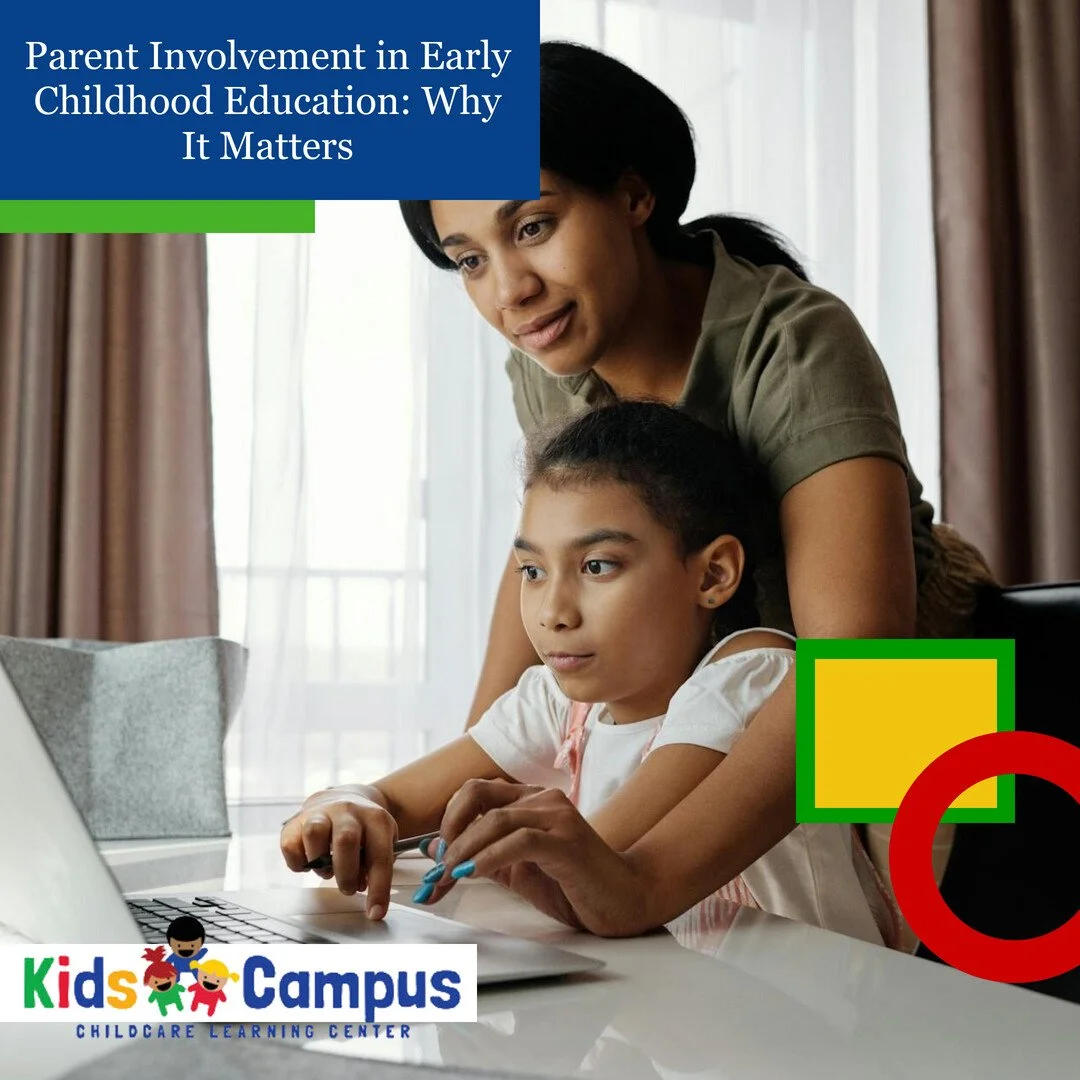
Parent involvement has long been recognized as one of the most influential factors in a child’s academic, social, and emotional success. During the earliest years of learning—birth through kindergarten—children benefit significantly when parents and caregivers stay actively engaged in their educational journey. At Kids Campus, an Early Childhood Learning Center serving families in Lynbrook and Valley Stream, NY, parent partnership is a fundamental part of helping young learners thrive.
This article explores why parent involvement is essential in Early Childhood Education, how it influences long-term development, and what families can do to support learning both at home and at school.
The Importance of Parent Involvement in Early Childhood Education
Early Childhood Education lays the foundation for a child’s future learning experiences. Research consistently shows that when parents participate in their child’s education, children demonstrate stronger outcomes in language, literacy, social skills, and cognitive development.
According to the U.S. Department of Education, family engagement is one of the main predictors of a child’s success in school. Their guidelines on family-school partnerships highlight how early collaboration leads to improved behavior, higher academic achievement, and greater motivation.
At Kids Campus, this research-backed approach is embedded in classroom practices, parent communication strategies, and the overall school environment.
How Parent Involvement Enhances Child Development
Parent engagement is more than volunteering at school—it includes ongoing communication, reinforcement of learning at home, and building a cohesive support system for the child. Here are key ways involvement strengthens a child’s development:
1. Enhances Cognitive and Language Skills
Children develop essential cognitive abilities through conversation, storytelling, and problem-solving activities. When parents echo the themes and skills children are learning at school, it reinforces comprehension and builds lasting neural connections.
Activities such as reading together, asking open-ended questions, and encouraging imaginative play all support cognitive growth. Kids Campus incorporates parent guidance into many of its curriculum-based activities.
2. Improves Social and Emotional Readiness
Young children learn to manage emotions, build relationships, and navigate social situations through consistent support from parents and educators. When families reinforce the same principles taught in the classroom—such as sharing, empathy, and conflict resolution—it creates a cohesive path for the child’s social development.
3. Builds a Strong Home-School Connection
A child’s success often depends on how well communication flows between school and home. At Kids Campus, teachers and parents work together to share progress updates, behavior insights, and goals for improvement. This type of partnership ensures children receive consistent guidance and support across different environments.
4. Creates a Supportive Learning Culture
When parents show enthusiasm for learning, children learn to value education as well. Simple actions such as discussing a child’s day, reviewing classroom projects, or encouraging curiosity help create a strong learning culture that motivates young learners.
Practical Ways Parents Can Support Early Childhood Education
Parent involvement does not require large time commitments. Small, consistent actions can make a significant impact:
1. Engage in Daily Learning Conversations
Ask your child questions about their day, their classmates, or what they learned. Open-ended questions encourage deeper thinking and help children strengthen their communication skills.
2. Read Together at Home
Reading is one of the most powerful activities for early development. According to the American Academy of Pediatrics, shared reading promotes language acquisition, emotional bonding, and early literacy skills.
Try setting aside 10–20 minutes each evening for books, storytelling, or picture-based conversations.
3. Create Simple Learning Routines
Whether it’s morning routines, homework habits, or bedtime reading schedules, consistent structure supports children’s cognitive organization and emotional security.
4. Participate in Classroom Activities When Possible
Many early childhood programs provide opportunities for parents to help with classroom events, read to students, or contribute materials. These experiences help children feel supported and proud of family involvement.
5. Maintain Communication with Teachers
Staying connected—with emails, parent-teacher meetings, or quick check-ins during drop-off—allows families to understand classroom goals and address concerns proactively.
Parents who want to learn more about Kids Campus’s commitment to communication and involvement can visit
How Kids Campus Encourages Parent Engagement
Kids Campus recognizes that parent involvement is essential to strong Early Childhood Education. The center fosters meaningful parent partnerships through:
1. Open Communication Channels
Teachers communicate regularly with families through newsletters, progress updates, and conversations during arrival and dismissal times.
2. Family-Friendly Events
Seasonal events, celebrations, and learning activities give parents opportunities to immerse themselves in their child’s school environment.
3. Collaborative Learning Strategies
Educators provide parents with take-home suggestions and learning extensions. Whether it’s reinforcing a math concept or reading a related book, Kids Campus equips families with tools that strengthen classroom learning.
4. Supportive, Child-Focused Environment
The school’s mission is centered on nurturing each child’s social, emotional, and academic growth. By welcoming family input and involvement, Kids Campus ensures a holistic, consistent developmental experience.
Long-Term Benefits of Parent Involvement
The impact of parent engagement extends far beyond early childhood. Children with strong home-school connections often demonstrate:
Higher academic achievement in later grades
Better classroom behavior
Stronger communication skills
Increased confidence and independence
Greater motivation and love of learning
When parents invest in their child’s developmental years, they set the stage for lifelong success.
Conclusion
Parent involvement is a core component of effective Early Childhood Education. When families and educators work together, children benefit from a unified support system that strengthens their cognitive, social, and emotional development.
At Kids Campus, parent partnership is valued and encouraged throughout every stage of a child’s learning journey. Whether through communication, reading at home, or participating in school activities, parents play a vital role in helping children thrive.
To learn more about Kids Campus and explore enrollment opportunities in Lynbrook or Valley Stream, our contact page.